
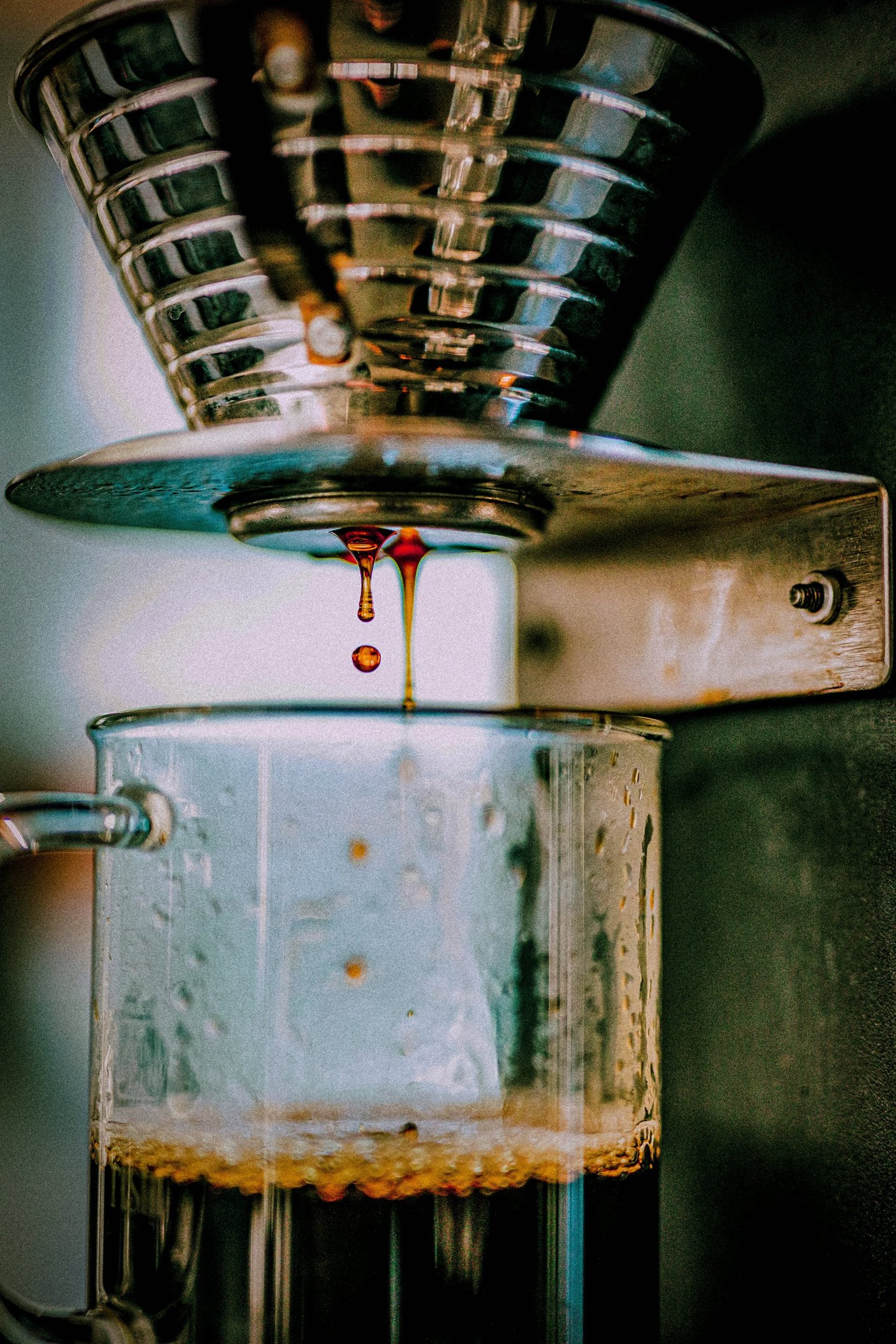
coffee has always been close to me.
not as a trend. not as a lifestyle accessory. but as something real, something lived.
over the years, i tried countless coffees that looked incredible. beautiful packaging, clever names, polished stories. and too often, what was inside didn’t live up to what was promised. it slowly made me distrust appearances. i realized how much time and energy some brands spent on design and marketing, while quietly cutting corners on what actually mattered: the coffee itself.
because the truth is simple.
you can’t fake experience.
you can’t shortcut expertise.
and you can’t replicate thirty years of craft in a few months.
my first real job wasn’t glamorous. i was a kid, earning ten dollars a day, helping in a small roastery. i packed bags, labeled boxes, organized shelves. i watched. i listened. and i remember, vividly, the smell when you open the door to a roastery. the warmth, the density of the air, the aroma of beans mid-roast. those moments stayed with me. coffee became familiar, almost instinctive.
later, i moved to france for school. there, coffee wasn’t just consumed, it was respected. espresso culture taught me restraint. precision. balance. coffee as something natural, honest, energizing. not overloaded. not disguised. just done well.
i studied international business, and as part of my degree, i had to complete an international internship. i chose to return to that same roastery. not to roast, but to help. my goal was to modernize their activity, to bring structure and visibility to something that already worked beautifully behind the scenes. i built a website. i brought in a few new clients. but roasters are roasters. they focus on coffee, not marketing. and eventually, i had to leave again to finish my studies.
over time, as i built businesses of my own, i saw the same pattern repeat itself again and again: incredible products, quietly overlooked, because the people behind them refused to compromise their craft to chase attention. that’s when it clicked. this coffee, their coffee, was being slept on. for decades.
they’ve been doing this for over thirty years. every variable dialed in. every roast intentional. no shortcuts. no trends. just coffee.
through a series of events, the roastery went through a difficult transition. pressure increased. risk increased. and despite having loyal clients, the reality of today’s market made one thing clear: quality alone isn’t always enough to survive.
during my time in france, i worked for an agency focused on performance and growth on amazon. that’s where i saw the scale. the leverage. the power of doing things right and letting people know about it. i left my job with one idea in mind: to build a coffee brand that didn’t compromise the product, but finally gave it the front-end it deserved.
that’s how terra nera was born.
terra nera means black earth; the foundation. the origin. the raw material from which everything grows. i wanted the brand to reflect the same philosophy as the coffee: purity, depth, restraint. i designed the logo. i built the visual universe. i shot the photos. i obsessed over the packaging. not to distract, but to get out of the way.
today, when you buy terra nera, you’re supporting a true expert roaster whose only priority has always been quality. a place locals quietly rely on. a hidden gem. if you know, you know. people still walk in and buy their coffee directly, the way it’s always been done.
behind the scenes, there are real people. real hands. real craft. and a product that’s been refined year after year, batch after batch, until nothing unnecessary remains. the beans are roasted with precision, at exactly the point where they can fully express themselves—nothing masked, nothing forced.
terra nera is a balance.
i handle the front.
they handle the craft.
no compromises on either side.
this isn’t coffee built around a story.
it’s a story built around coffee.
and now, it finally gets to be shared.
origins


- enzo
coffee has always been close to me.
not as a trend. not as a lifestyle accessory. but as something real, something lived.
over the years, i tried countless coffees that looked incredible. beautiful packaging, clever names, polished stories. and too often, what was inside didn’t live up to what was promised. it slowly made me distrust appearances. i realized how much time and energy some brands spent on design and marketing, while quietly cutting corners on what actually mattered: the coffee itself.
because the truth is simple.
you can’t fake experience.
you can’t shortcut expertise.
and you can’t replicate thirty years of craft in a few months.
my first real job wasn’t glamorous. i was a kid, earning ten dollars a day, helping in a small roastery. i packed bags, labeled boxes, organized shelves. i watched. i listened. and i remember, vividly, the smell when you open the door to a roastery. the warmth, the density of the air, the aroma of beans mid-roast. those moments stayed with me. coffee became familiar, almost instinctive.
later, i moved to france for school. there, coffee wasn’t just consumed, it was respected. espresso culture taught me restraint. precision. balance. coffee as something natural, honest, energizing. not overloaded. not disguised. just done well.
i studied international business, and as part of my degree, i had to complete an international internship. i chose to return to that same roastery. not to roast, but to help. my goal was to modernize their activity, to bring structure and visibility to something that already worked beautifully behind the scenes. i built a website. i brought in a few new clients. but roasters are roasters. they focus on coffee, not marketing. and eventually, i had to leave again to finish my studies.
over time, as i built businesses of my own, i saw the same pattern repeat itself again and again: incredible products, quietly overlooked, because the people behind them refused to compromise their craft to chase attention. that’s when it clicked. this coffee, their coffee, was being slept on. for decades.
they’ve been doing this for over thirty years. every variable dialed in. every roast intentional. no shortcuts. no trends. just coffee.
through a series of events, the roastery went through a difficult transition. pressure increased. risk increased. and despite having loyal clients, the reality of today’s market made one thing clear: quality alone isn’t always enough to survive.
during my time in france, i worked for an agency focused on performance and growth on amazon. that’s where i saw the scale. the leverage. the power of doing things right and letting people know about it. i left my job with one idea in mind: to build a coffee brand that didn’t compromise the product, but finally gave it the front-end it deserved.
that’s how terra nera was born.
terra nera means black earth; the foundation. the origin. the raw material from which everything grows. i wanted the brand to reflect the same philosophy as the coffee: purity, depth, restraint. i designed the logo. i built the visual universe. i shot the photos. i obsessed over the packaging. not to distract, but to get out of the way.
today, when you buy terra nera, you’re supporting a true expert roaster whose only priority has always been quality. a place locals quietly rely on. a hidden gem. if you know, you know. people still walk in and buy their coffee directly, the way it’s always been done.
behind the scenes, there are real people. real hands. real craft. and a product that’s been refined year after year, batch after batch, until nothing unnecessary remains. the beans are roasted with precision, at exactly the point where they can fully express themselves—nothing masked, nothing forced.
terra nera is a balance.
i handle the front.
they handle the craft.
no compromises on either side.
this isn’t coffee built around a story.
it’s a story built around coffee.
and now, it finally gets to be shared.
origins